Loss, Survival, Resilience, and Contemporary Antisemitism 15 Years After the Terror Attack in Which She Was Nearly Killed
Guest Commentary

Audio By Carbonatix
By Jonathan Feldstein, Crosswalk.com
On December 18, 2010, British Israeli tour guide, Tal Hartuv, and her American Christian friend, Kristine Luken, were hiking in the Mata forest near Beit Shemesh, west of Jerusalem. What began as a peaceful outing turned into a deadly bloody nightmare when two Palestinian Arab terrorists ambushed them. The attackers bound and gagged the women, tormenting them before stabbing Luken to death in a brutal execution. They mistakenly believed she was Jewish. Hartuv, stabbed multiple times with a machete—suffering 18 wounds, over 30 broken bones, and a near-fatal chest injury—survived by playing dead and later escaping to seek help.
Fifteen years later, marking the “anniversary” Hartuv, amid fresh anguish shared reflections on the Inspiration from Zion podcast. (Follow the entire conversation here.) She shared her raw emotions, particularly in light of current events: the release of one of her attackers as part of a ceasefire and prisoner release, and following the war against Hamas in Gaza.
Hartuv does not mention the names of the terrorists who attacked her and Luken, preferring not to give them the recognition or waste the oxygen that she wishes they were not consuming. She does not relive the gruesome details that still create trauma, but which is sometimes necessary to establish the evil that she confronted. As a result of the prisoner release, one of the two Palestinian Arab terrorists who were both convicted of attacking her and murdering Luken was set free, something which she anticipated might happen but rationalized it would not, and then it did.
Hartuv described the release as ripping open old wounds. “It feels like I’ve been thrown back several years,” she said, comparing it to the raw pain of the early anniversaries. She discovered the name of the PLO-affiliated terrorist on a government list via a journalist friend, not through any official notification from Israeli authorities—a failure she called deeply hurtful. “It really was horrific to find out on Google,” expressing ongoing shock at the lack of courtesy or support for victims.
The deal, which secured the return of living hostages and bodies, was brokered with U.S. involvement under President Trump. Hartuv thanked Trump sincerely for prioritizing the hostages' release, but highlighted the bitter cost. The PLO terrorist had been sentenced to 55 years (35 for Luken’s murder, 20 for Hartuv’s attempted murder), but walked free after serving only about 14 years. She commented that he was set free quite wealthy as a result of the stipend terrorists receive from the Palestinian Authority's “pay-to-slay” program, funded indirectly by international aid. The rich terrorist was initially housed along with hundreds of others in luxury hotels in Egypt, an “injustice upon injustice,” as Hartuv put it.
Hartuv underscored her support for bringing hostages home and reminded listeners of the previous time she was on “Inspiration from Zion” along with the father of one of the recently released hostages, Guy Dalal. As much as it pains her, she is looking forward to visiting the Dalals to celebrate Guy’s release. Yet she feels Israeli society has sidelined terror victims’ pain. She commented that both Israeli and American leaders failed the Luken family, also without any official notification or recognition of their suffering as a result of Kristine’s murder. She revealed a 2016 U.S. affidavit stating evidence exists to extradite the attackers if released, due to Luken’s American citizenship. Hartuv contacted Trump advisor Sebastian Gorka to urge the U.S. to do everything possible to have Luken’s murderer extradited, urging public pressure for extradition and trial in the U.S., ideally with the death penalty, which she sees as fitting justice for unremorseful murderers. She has received no response.
Reflecting on broader current events, Hartuv linked rising global antisemitism to permissive Western policies. She condemned governments allowing hate marches to support “globalizing the intifada,” predicting attacks like the recent one in Sydney, Australia, as “fruits” of such tolerance. “The chickens are gonna come home to roost,” she warned, criticizing leaders for crocodile tears after violence against Jewish communities in Australia, the UK, in which she was born, and others, while failing to act preventively. Hartuv expressed exhaustion with empty condolences: “People love dead Jews… but when we’re alive, they’re very hostile.”
On solutions, Hartuv advocated strongly for Israel to implement the death penalty for terrorist murderers—not as a deterrent, but as rightful punishment. She suggested harshening prison conditions and exploring Islamic-specific deterrents, like defiling the terrorists’ bodies with pig fat. For victims, she called for a dedicated government committee to inform and support families, including those abroad affected by attacks, whether Jewish or non-Jews mistaken for Jews like her friend Kristine.
Hartuv’s observations stem from profound personal loss, survival, and resilience. Despite physical and emotional scars—including survivors’ guilt and relived trauma from media interviews—she thrives as an artist, educator, and advocate. Her book “The Rage Less Traveled” (by Kay Wilson) chronicles her journey, and she now aids October 7 attack survivors. Yet the release of the terrorist who butchered her and Luken has reignited rage: “There’s no closure,” she said, especially as her attacker walks free, rich, and unrepentant.
Hartuv’s story exemplifies resilience amid tragedy, modeled on the Biblical story of Joseph revealing himself to his brothers, that what man meant for evil, God turns for good. But her conclusions are stark: Without justice—execution, extradition, and accountability—terrorism persists, incentivized by releases and rewards. On the 15th anniversary of the attack, which she miraculously survived, Hartuv honors Luken’s memory while demanding the world confront the ongoing cost of appeasement of terror.
Follow the whole conversation on YouTube or at the Inspiration from Zion podcast here.
Related Article
Holocaust Survivor Among 15 Dead in Antisemitic Attack at Australian Hanukkah Event
Photo Credit: ©Getty Image/tzahiV
The views expressed in this commentary do not necessarily reflect those of the Salem Web Network.
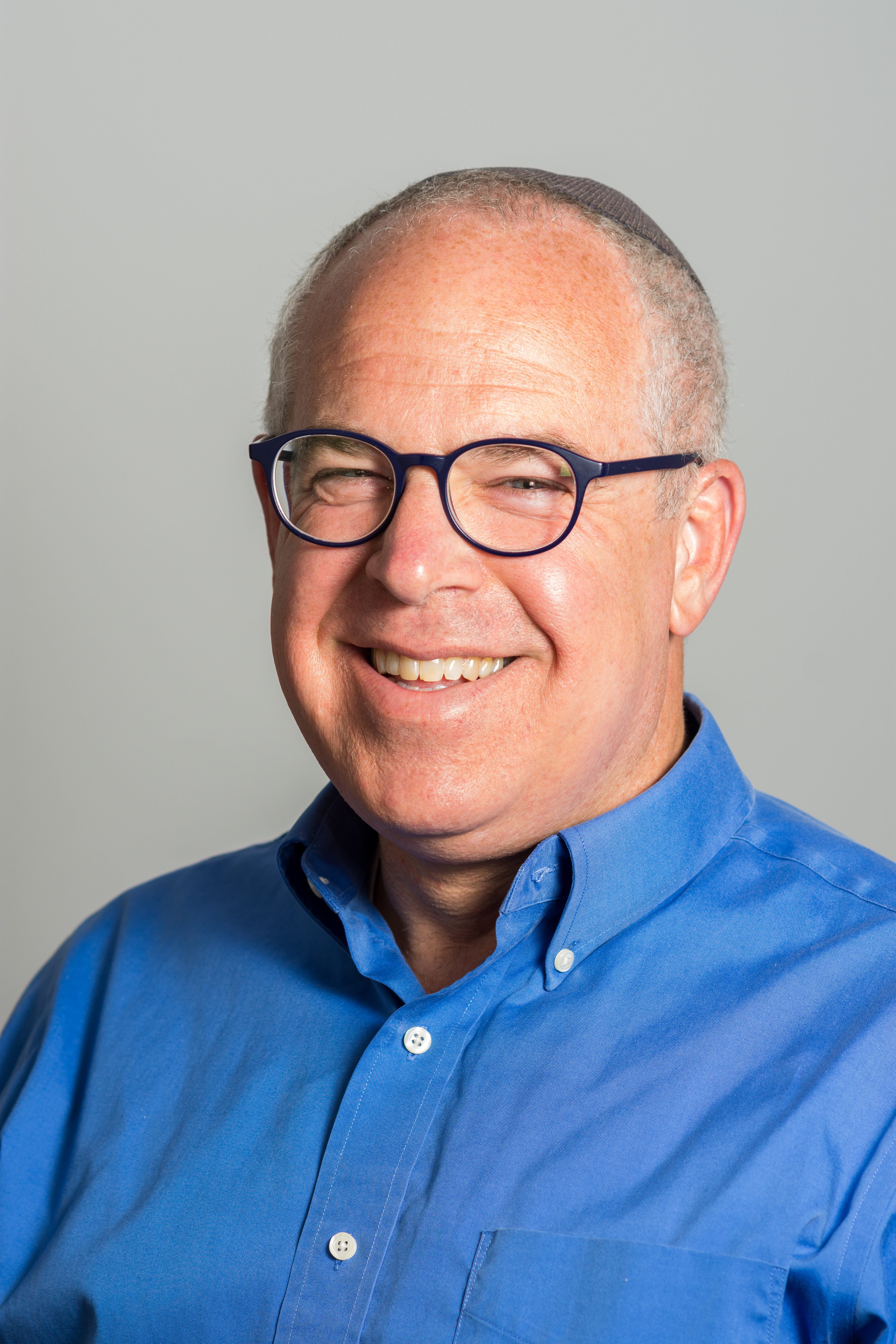
Jonathan Feldstein is president of the Genesis 123 Foundation (www,genesis123.co) whose mission is to build bridges between Jews and Christians and Christians with Israel. He was born and educated in the U.S. and immigrated to Israel in 2004. He is married and the father of six, and grandfather of four (so far).
Two sons and a son in law are currently serving in the IDF and have been involved in combat in Gaza and Lebanon since the October 7, 2023 Hamas massacre in Israel.
Jonathan is a leader working with and among Christian supporters of Israel, and shares experiences of living as an Orthodox Jew in Israel through his work, writing, and as host of the Inspiration from Zion podcast. Since the war began, he has authored more than 150 articles, and participated in a similar number of interviews, briefings, prayer events, and more.
Jonathan is working with Christian leaders all over the world to realize a true peace in Gaza, details of which can be found at www.SolutionforPeaceinGaza.com.
In 2023 he published the highly acclaimed book, Israel the Miracle (www.israelthemiracle.com), which makes a great gift for Chanukah and Christmas, and year round.

